
Morocco, Portugal & Spain: Crossing Into Europe
After weeks along the African coast and across the Atlantic, this stretch of Winnie’s journey marked a noticeable transition. The scenery changed, the atmosphere onboard shifted, and Europe finally began to feel close again.
“There’s mixed feelings,” Winnie reflected as the ship moved northward. “Some of us are really anxious to get off the ship and get home. Others just don’t want it to end.”
But before reaching Europe, there were still several stops ahead.
Angola and Days at Sea
In Luanda, Winnie joined a city tour through one of the world’s oldest Portuguese-speaking capitals, established in the 1500s. The city itself felt large and sprawling, but what stood out most was the wide seaside promenade lined with palm trees, playgrounds, sports courts, and gathering spaces overlooking the bay.
Across the street, however, the contrast returned once again. Beyond the waterfront were crowded neighborhoods of makeshift housing and muddy roads, reminders of the disparities she had encountered throughout parts of Africa.
Several long sea days followed, though this portion of the voyage became more difficult than expected. An intestinal virus spread through the ship, and Winnie spent more than a week quarantined in her cabin.
“I drank a lot of tea and ate a lot of broth and slept a lot and read a lot,” she said.
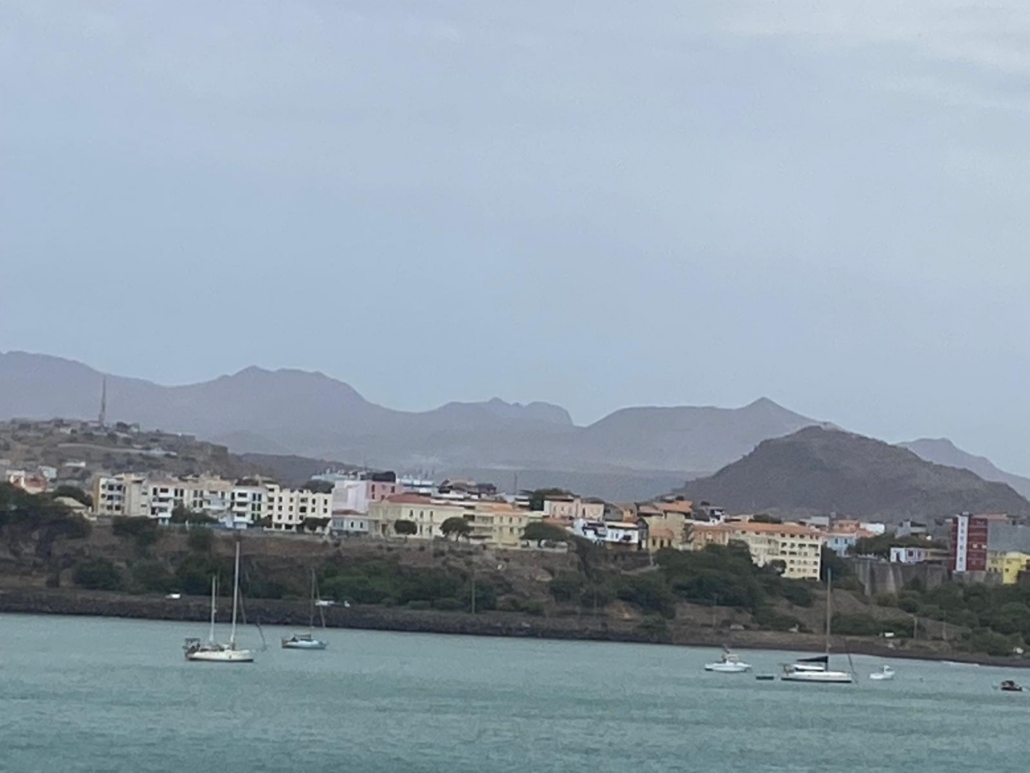
As a result, she missed much of Cape Verde, something she described as deeply disappointing. Still, she listened closely to fellow passengers returning from excursions and learned about the islands’ volcanic terrain, dry climate, and dramatic coastline known for shipwrecks and offshore diamond mining.
The Canary Islands: A Turning Point
By the time the ship reached the Canary Islands, Winnie was finally feeling better—and the change in energy was immediate.
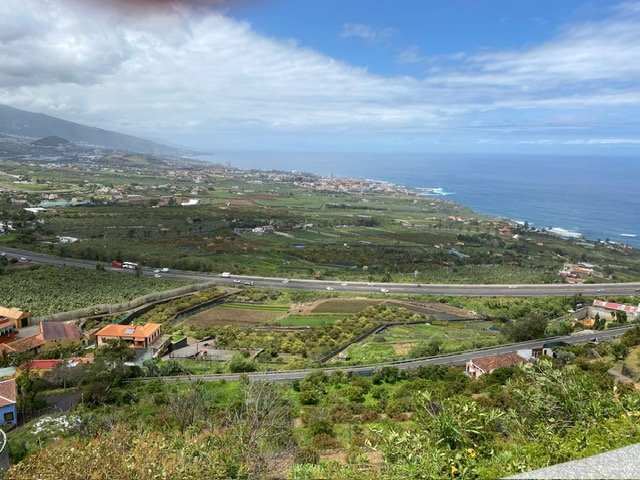
The landscape rose sharply from the sea with mountains, volcanic terrain, and steep valleys. During an excursion inland, she looked down across farms growing bananas and vineyards tucked into the hillsides.
What fascinated her most was the island’s relationship with water. With few rivers and limited rainfall, homes relied on large cisterns to store rainwater and snowmelt underground.
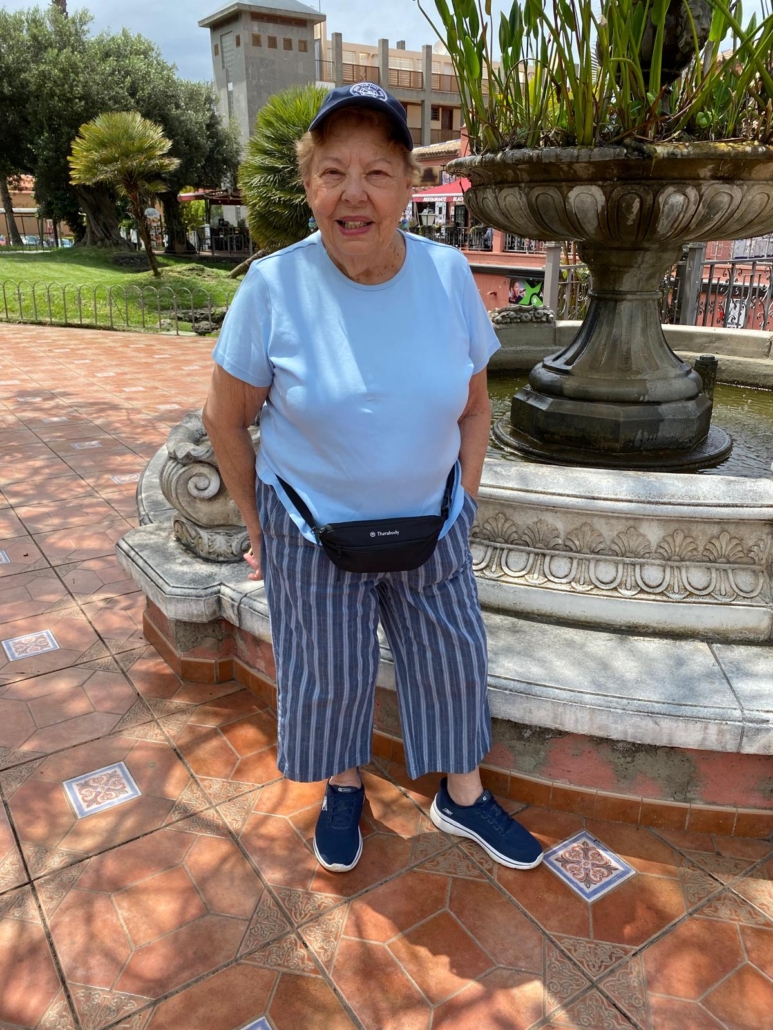
Despite the dry conditions, the botanical gardens she visited were unexpectedly lush.
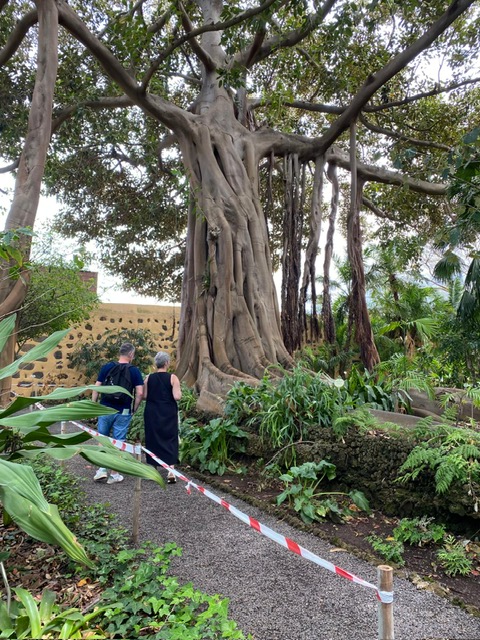
“It was absolutely beautiful,” Winnie said. “Every little inch was planted.”
Later, she wandered through a seaside town watching surfers along the coast and searching unsuccessfully for peanut butter in a local grocery store—a small moment that became unexpectedly memorable.
Morocco: Markets, Mosques and Mint Tea
From the Canary Islands, the journey continued to Agadir and Casablanca.
Winnie was immediately struck by the scale of the cities.“I was amazed how big the cities were,” she said. “Everything was white.”
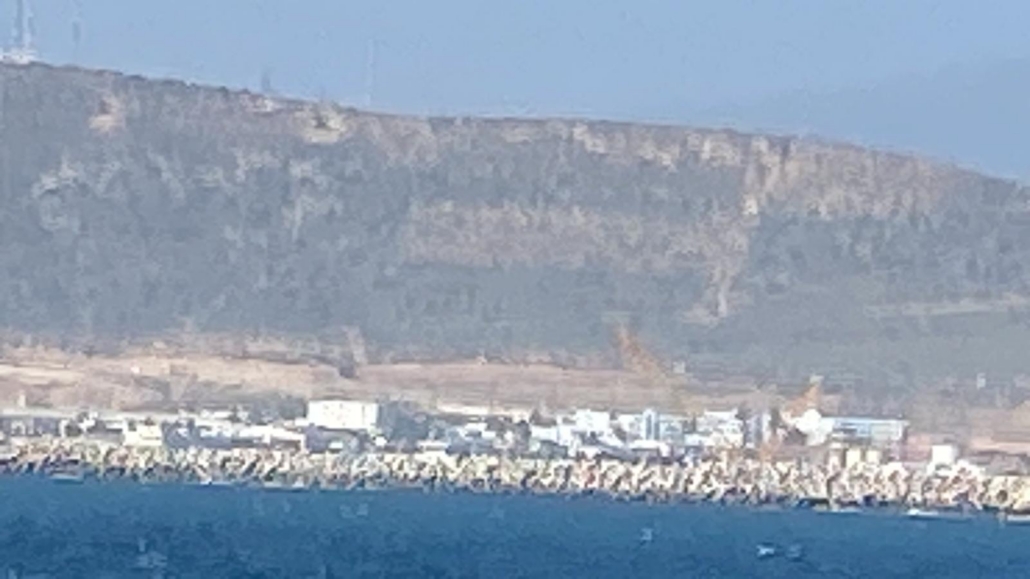
In Agadir, she hired a local driver for the day, beginning with a visit to an argan oil cooperative run by women. There, she learned how the oil is produced from nuts harvested from argan trees and how the organization supports divorced women, single mothers, and women in need of financial independence.
The day continued through neighborhoods filled with mosques, markets selling rugs, brass, jewelry, and clothing, and busy food stalls overflowing with produce and seafood. Used clothing and furniture markets stretched through entire sections of the city.
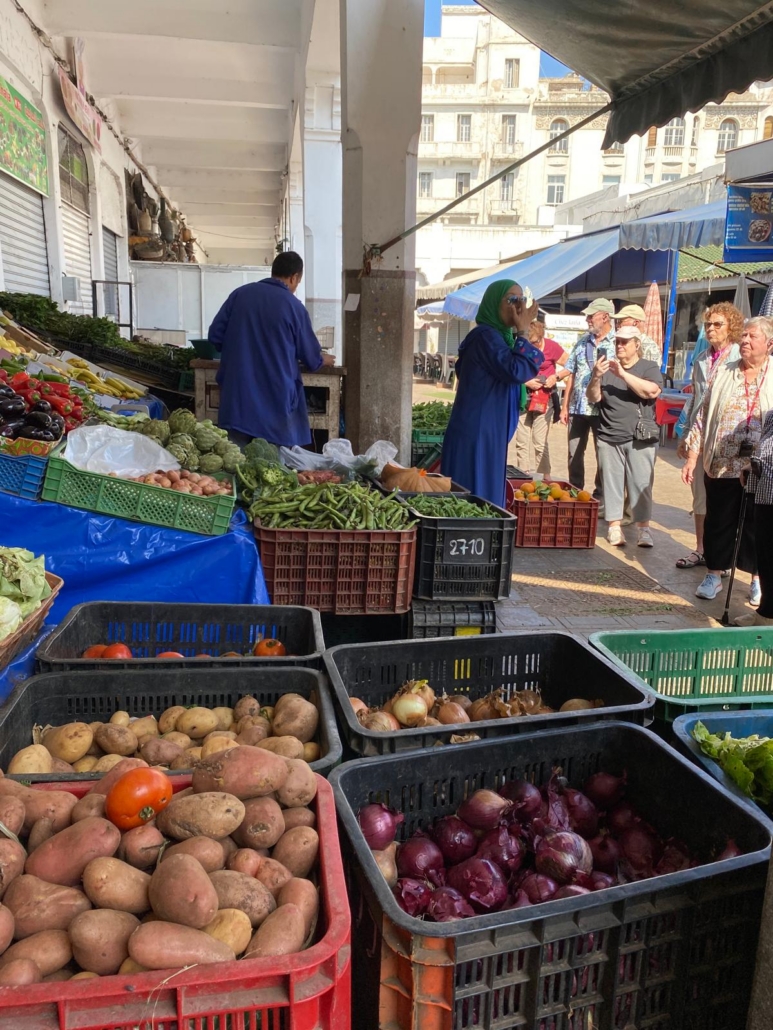
In Casablanca, the experience shifted toward food.
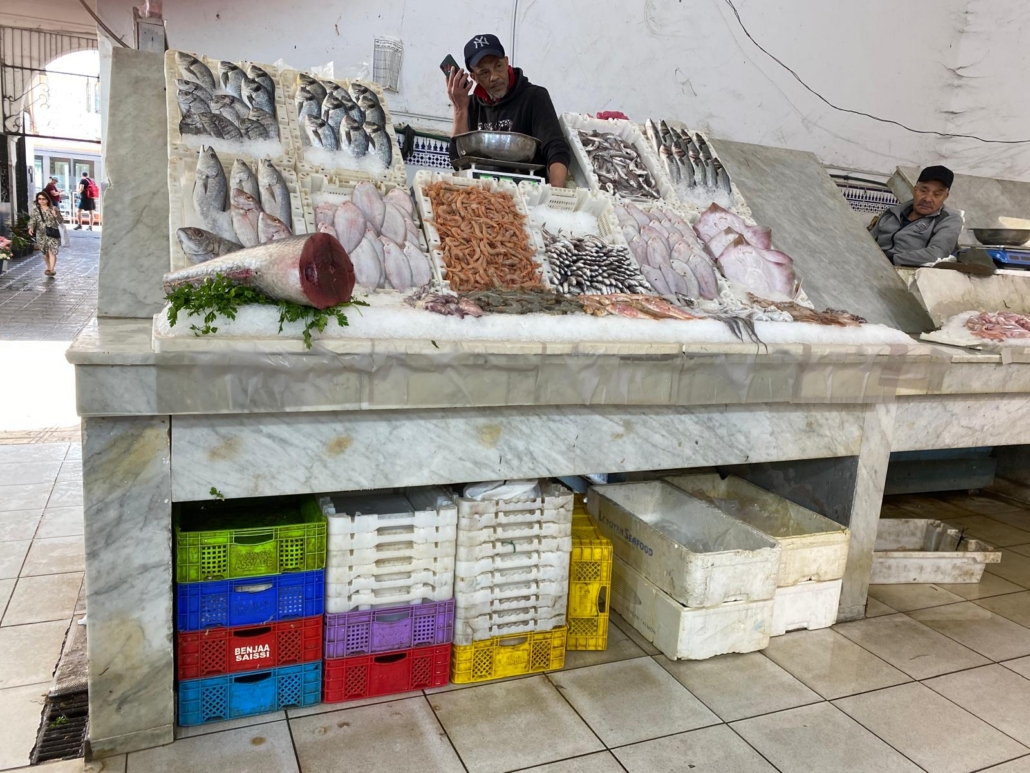
A visit to a local market revealed displays of seafood and flowers before the group headed to a restaurant for a Moroccan cooking class. Winnie watched a traditional hot mint tea service performed tableside before helping prepare dishes including chicken and savory phyllo pastries filled with spiced meat.
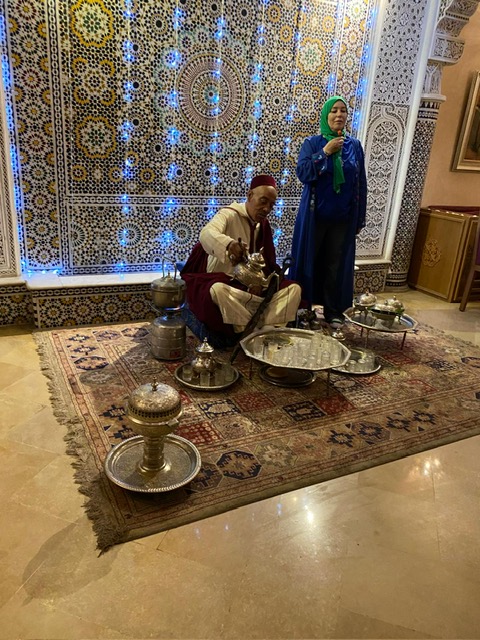
While the cooking class itself wasn’t the highlight, the atmosphere, markets, and tea ceremony left a lasting impression.

Portugal: A Favorite Stop
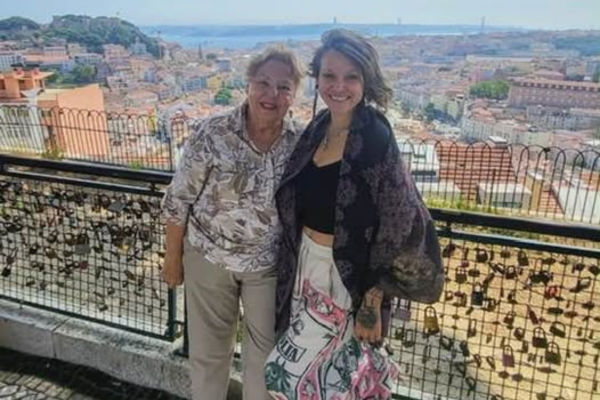
By the time the ship arrived in Lisbon, the tone of the journey shifted once again—this time into something warmer and more personal.

Winnie’s granddaughter Alysia and her friend joined her there, transforming the stop into one of the most memorable parts of the cruise.
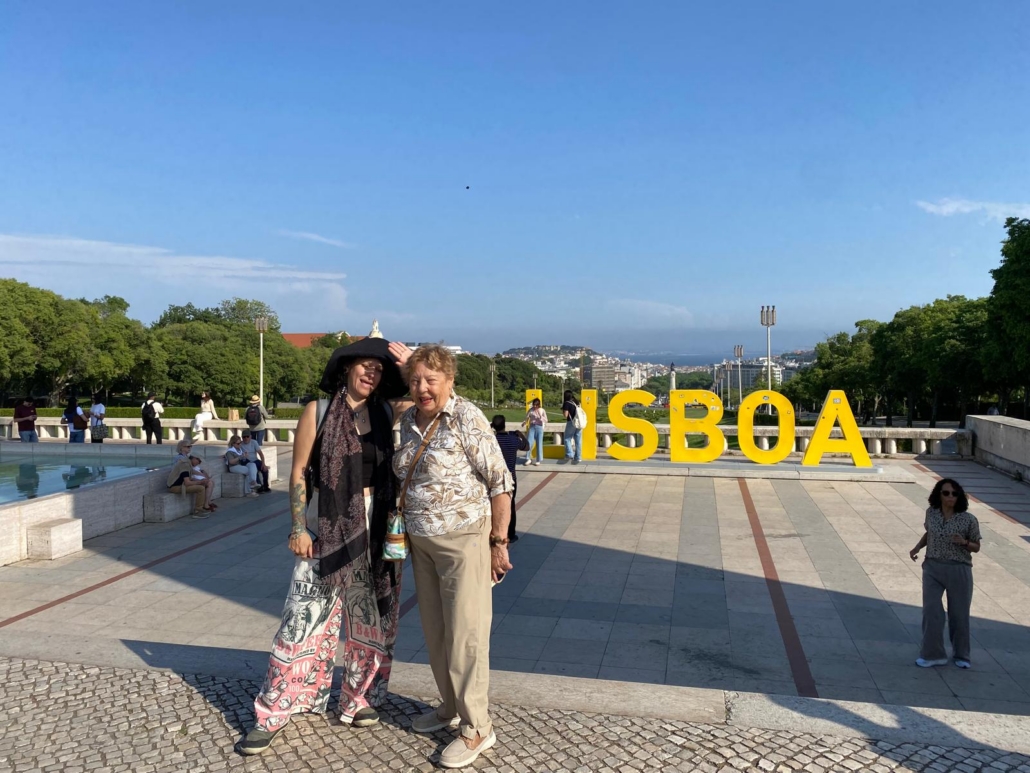
“What a beautiful city,” Winnie said simply.
Lisbon immediately stood out for its steep hills, narrow cobblestone streets, tiled walkways, and sweeping overlooks above the sea. Much of the city had been rebuilt after the devastating earthquake and tsunami of 1755, yet it retained an unmistakably old-world feeling.
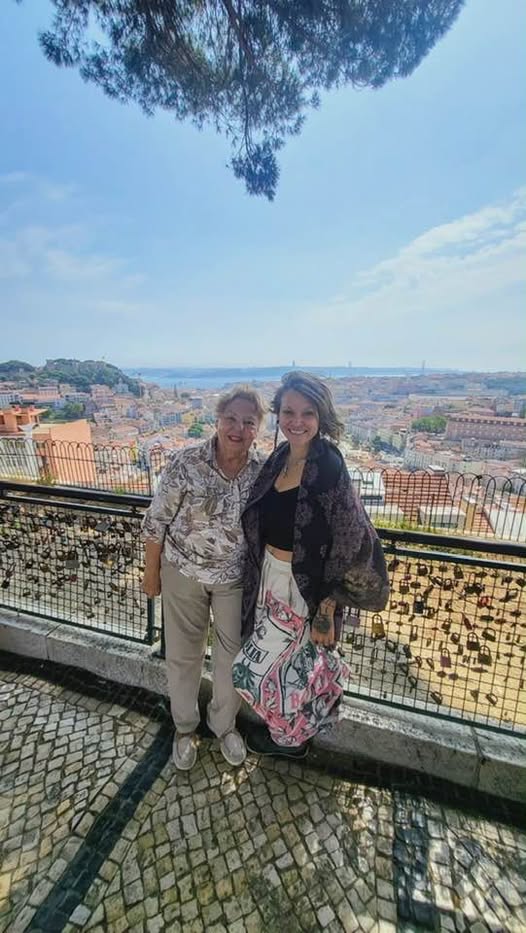
Over the next two days, Winnie explored churches, neighborhoods, markets, and cafes with Alysia. They sampled cherry liqueur served with fruit in the glass, wandered through tiny streets lined with shops and restaurants, and joined a walking food tour through the city.
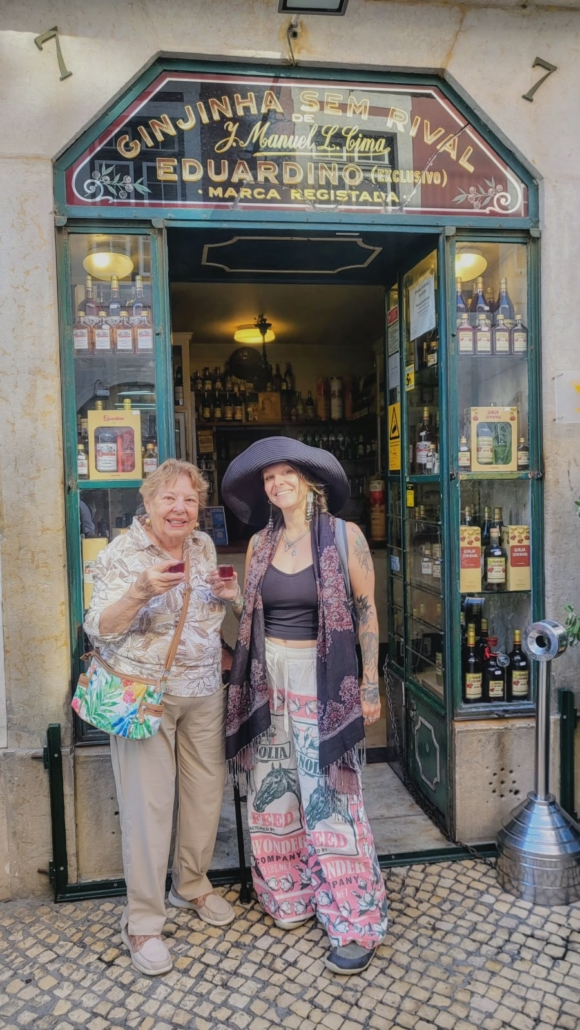
The food became one of the defining experiences of Portugal.
There were sardine sandwiches drizzled with olive oil, octopus salad, grilled sausages sliced thin at the bar, warm rolls filled with roast beef and garlic, and rich local wines poured throughout the afternoon.
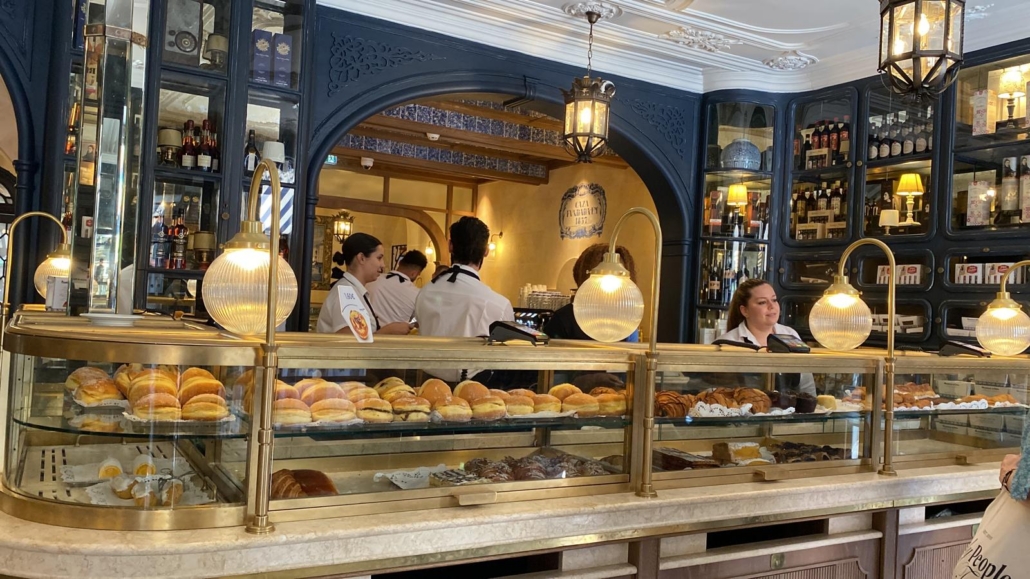
And then there were the pastries.
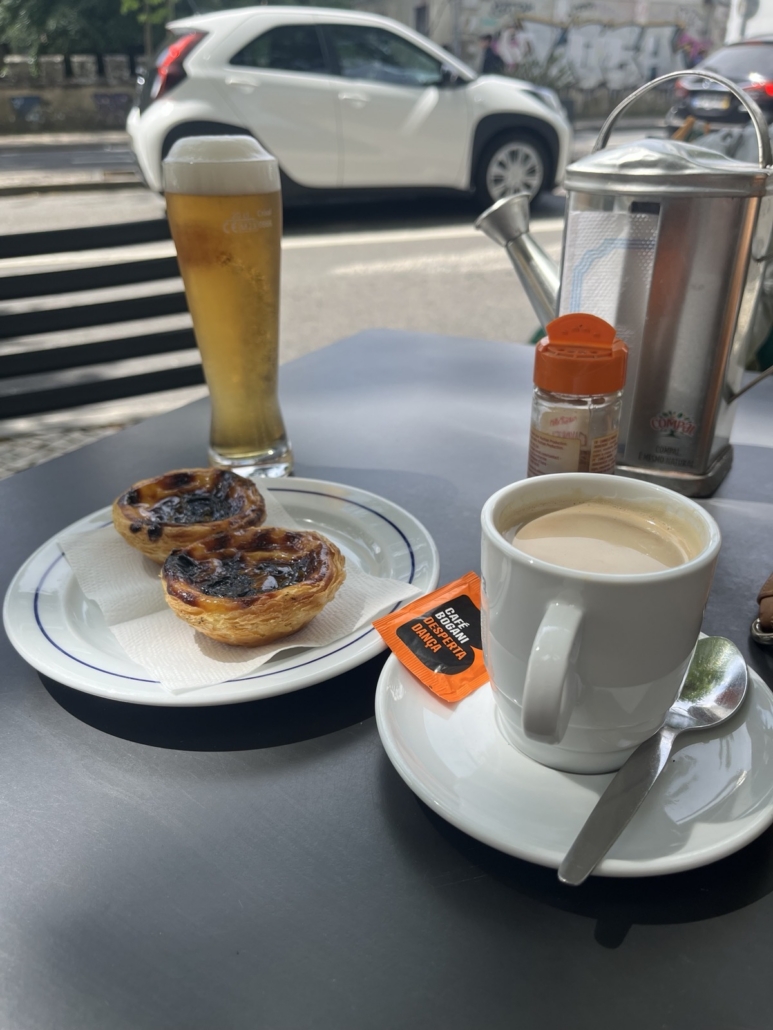
The famous pastel de nata—small custard tarts with flaky crusts and creamy centers—quickly became an obsession.
“They’re warm and fresh and wonderful,” Winnie said.
At one shop, sherry was served in tiny edible chocolate cups, adding another memorable detail to a city already full of them.
Portugal, more than anywhere else on this stretch, felt deeply welcoming. “We just fell in love with it,” Winnie said.
Porto and Northern Spain
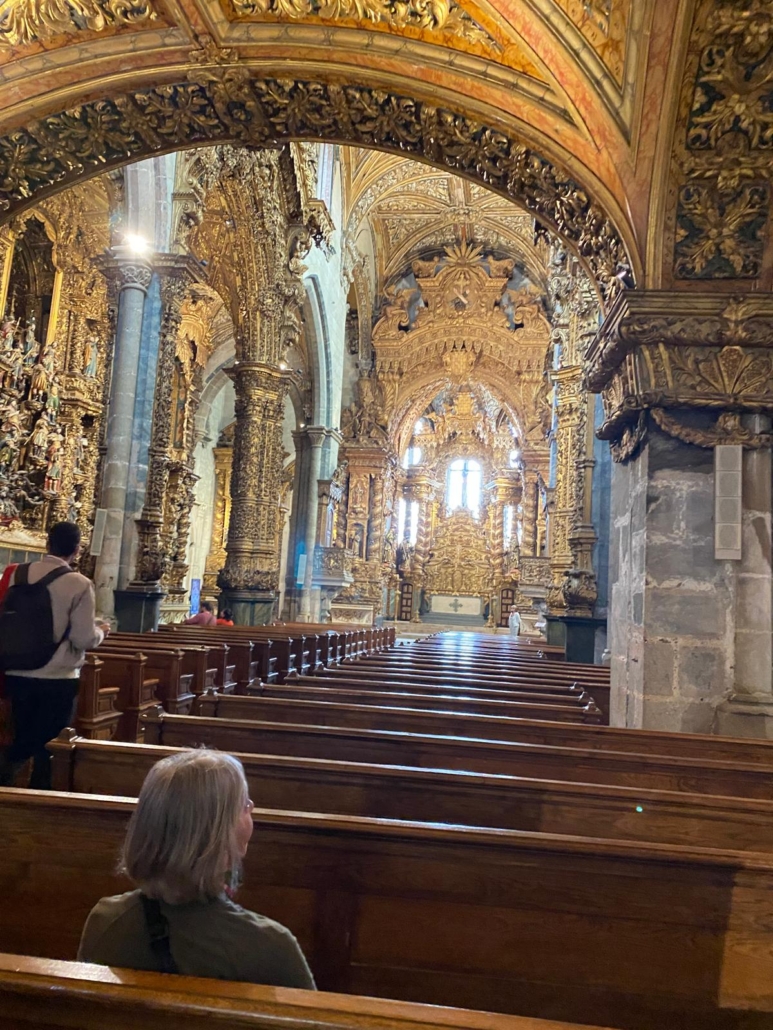
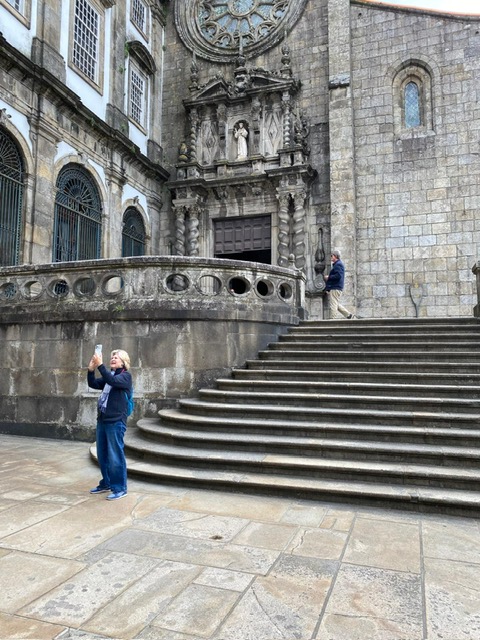
In Porto, Winnie toured a lavish church originally built in the 13th century and later covered in gold during the 17th century. The ceilings, pillars, and walls shimmered with ornate decoration while an organ played in the background and children sang outside on the steps.
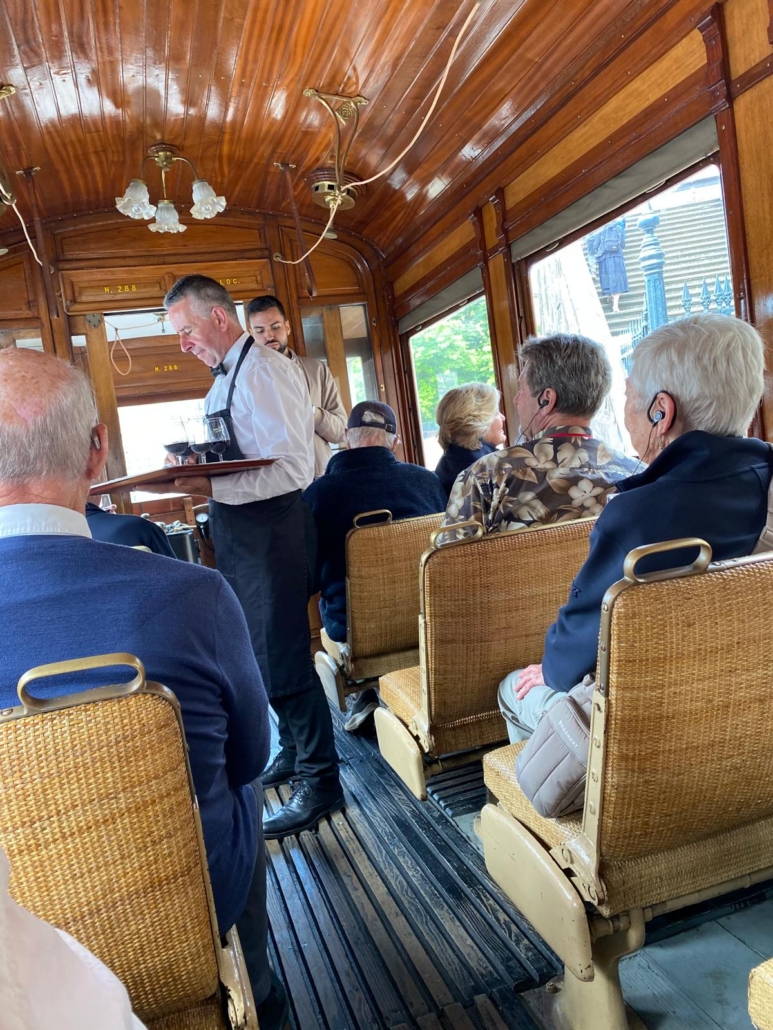
Later, she boarded a vintage tram lined with wicker seats and glowing light fixtures, where attendants served port wine alongside savory and sweet pastries as the tram rolled through the city.
The journey then continued north into A Coruña, Spain.
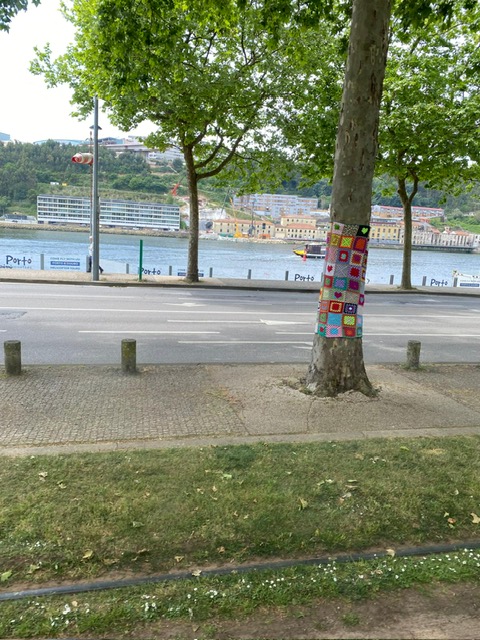
There, Winnie found another coastal city shaped by weather and the sea. Tall glass-fronted buildings lined the waterfront, originally designed to protect homes from heavy rain and ocean storms. Fishing remained central to the region, while broad public spaces along the coast were filled with athletic fields, playgrounds, walking paths, and families enjoying the holiday.
“It’s so nice to be back in Europe,” Winnie reflected. “It’s just completely different.”
A Journey Nearing Its End
As the ship continued northward, there was a growing awareness onboard that the world cruise was entering its final chapter.
For Winnie, this stretch brought together many of the contrasts that had defined the journey: crowded cities and quiet coastlines, difficult realities and beautiful moments, unfamiliar foods and deeply familiar connections.
And after months at sea, Europe felt not only like a destination—but like a turning point toward home.
Up Next
The final leg of Winnie’s world cruise brings her to France and the United Kingdom as the journey reaches its conclusion.



Leave a Reply
Want to join the discussion?Feel free to contribute!