
East Africa to South Africa: Wildlife, Coastlines and the Edge of the Desert
As this leg of the journey began, Winnie moved along the eastern coast of Africa, where each stop brought a different perspective—some expected, others less so.
Kenya and a Change in Plans
Winnie’s first stop was in Mombasa, Kenya.
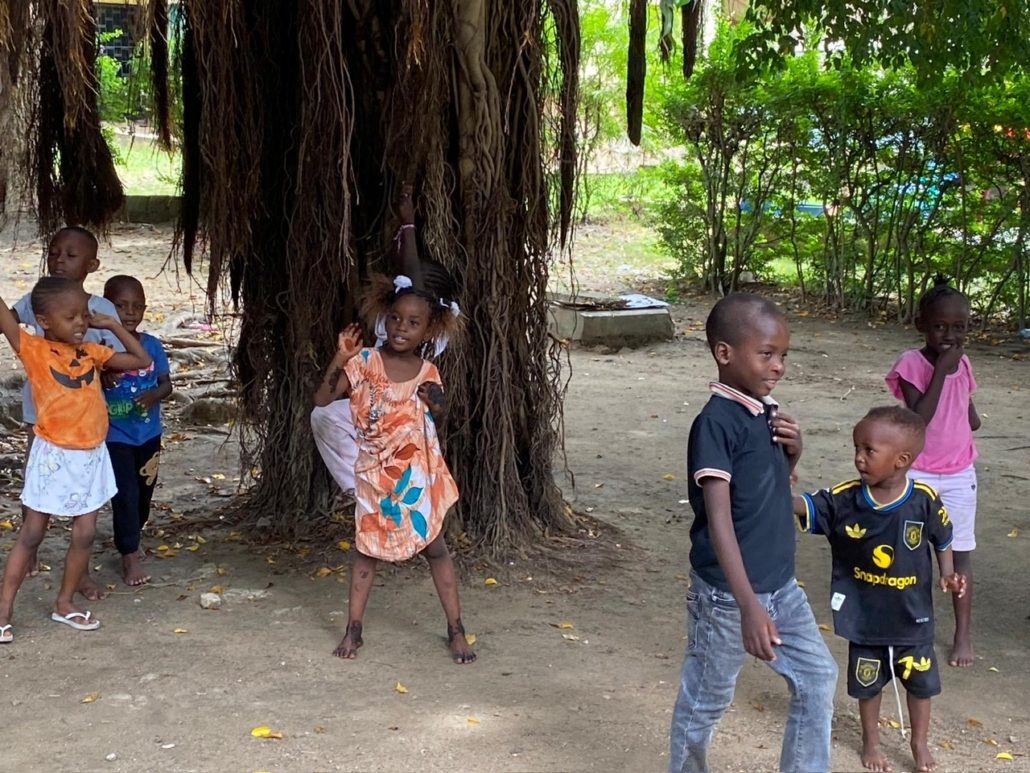
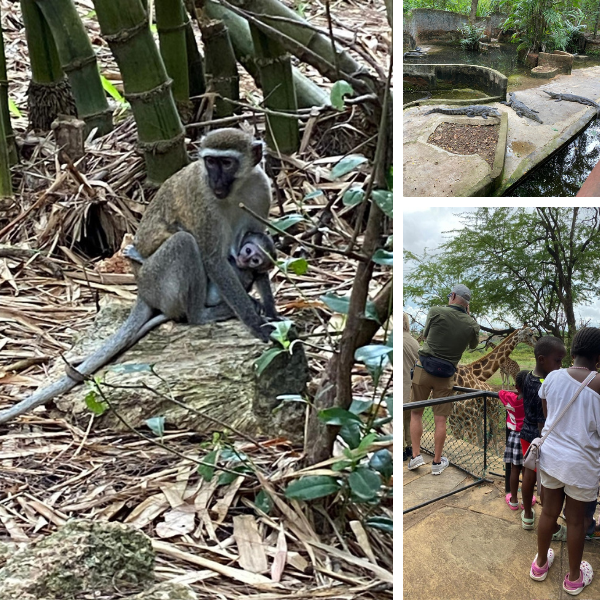
Her initial visit into town was brief and largely uneventful, with limited access to shops and services. The following day, she joined an excursion to a local park, where she saw giraffes, alligators, and hippos, followed by a visit to a residential community that supports people with disabilities and their families. The facility offered space for both living and creating handmade goods, providing a glimpse into daily life in the region.
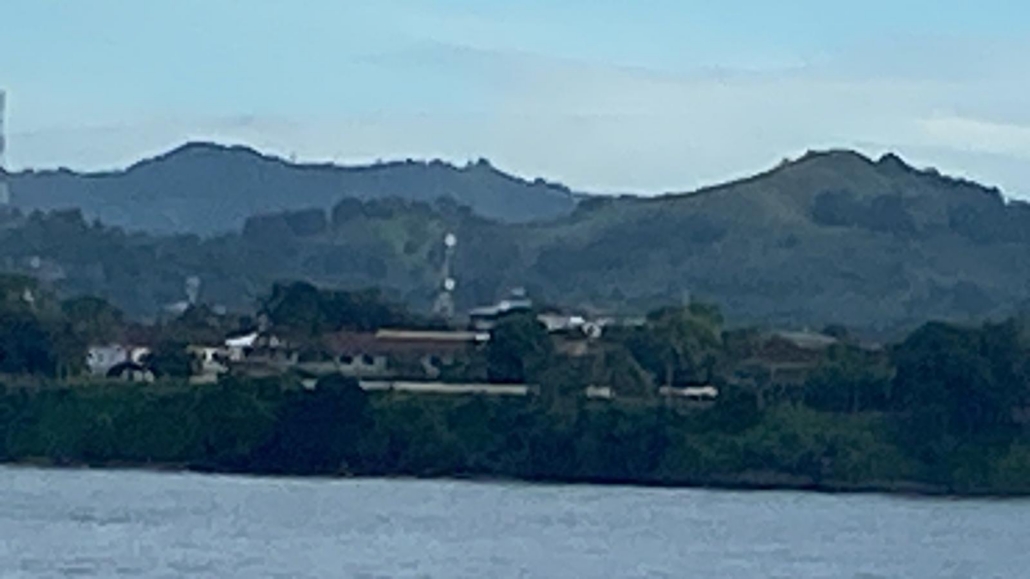
A planned stop in Zanzibar was ultimately canceled due to a cholera outbreak, shifting the course of the itinerary.
Madagascar: A Memorable Stop
From there, the journey continued across the Indian Ocean to Nosy Be.
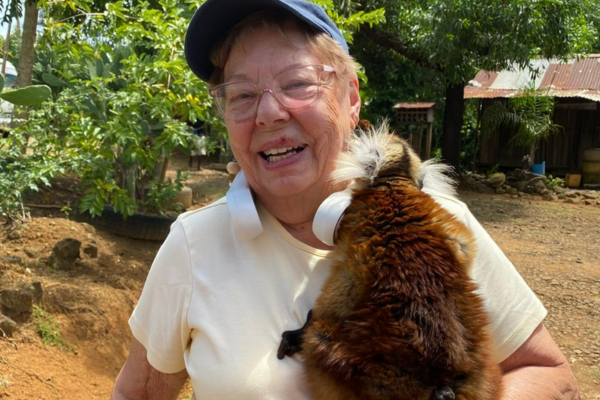
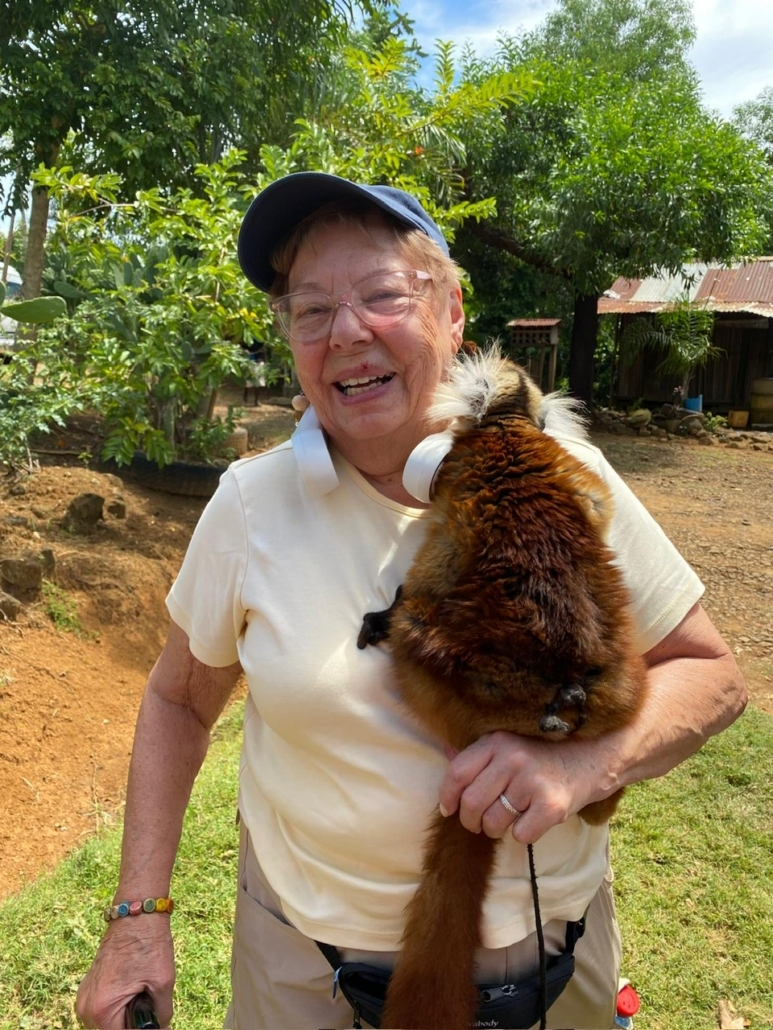
Here, Winnie visited a nature park known for its wildlife, including lemurs and giant tortoises. The lemurs stood out—active, curious, and unlike anything she had encountered earlier on the trip.
Mozambique and the South African Coast
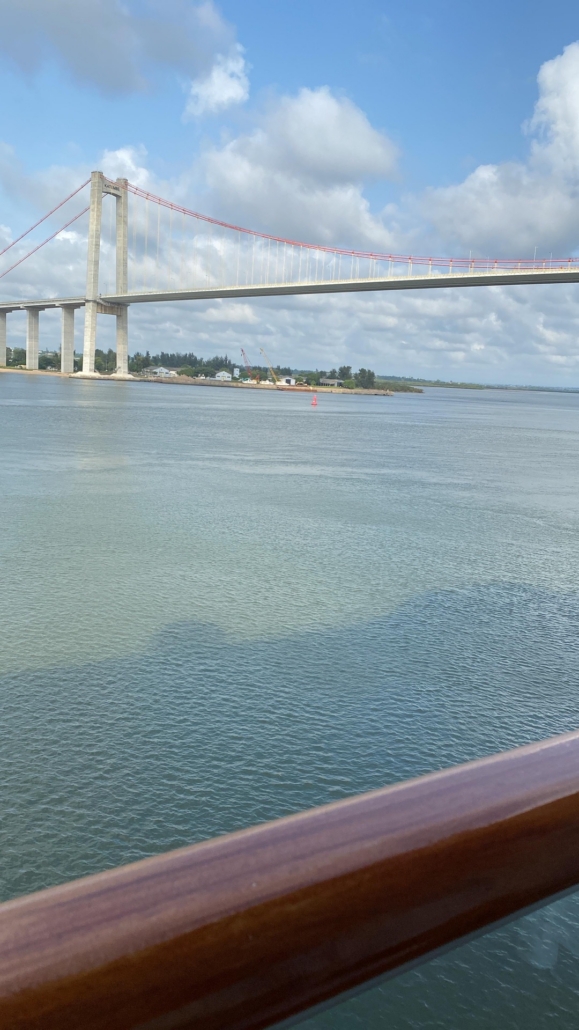
After several days at sea, the ship arrived in Maputo, Mozambique. A city tour revealed a place of contrasts. Much of the city felt plain, but one area near the embassies stood out for its clean streets, hilly setting, and beautifully maintained homes overlooking the water.
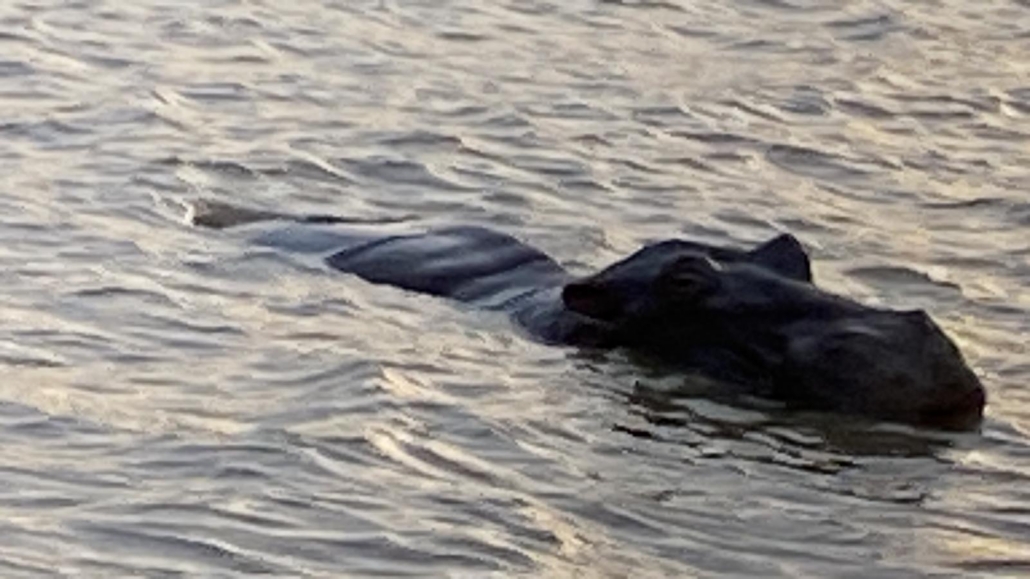
In Richards Bay, the focus shifted to wildlife. A river excursion brought Winnie close to groups of hippos, including families resting together in the water. Some gathered in clusters, their heads just visible above the surface, while others moved slowly nearby.
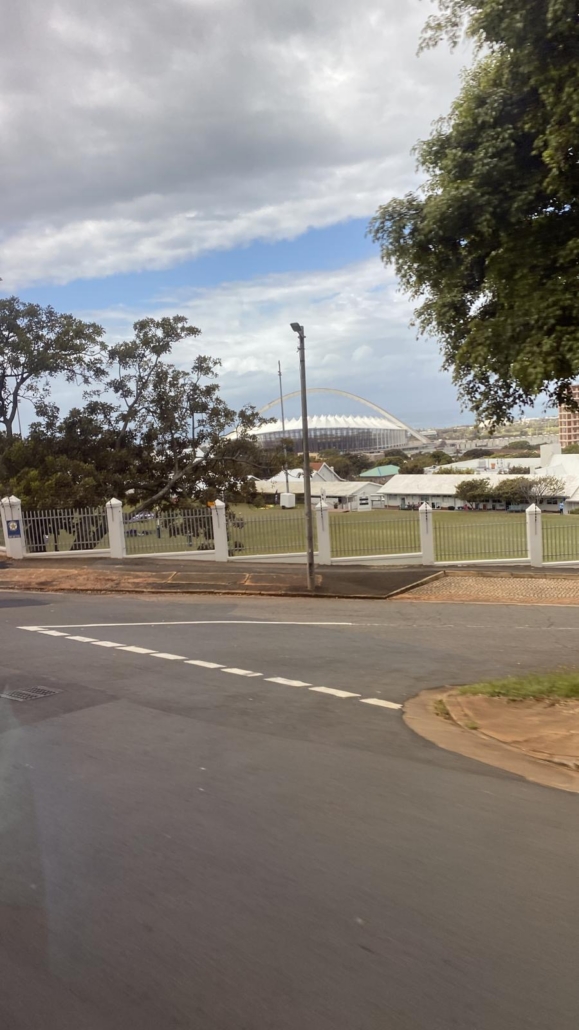
The following stop in Durban offered a different setting. The city felt large, modern, and well-kept, with expansive sports complexes and broad stretches of coastline.
A visit to the botanical gardens provided a quieter moment to walk and take in the surroundings.
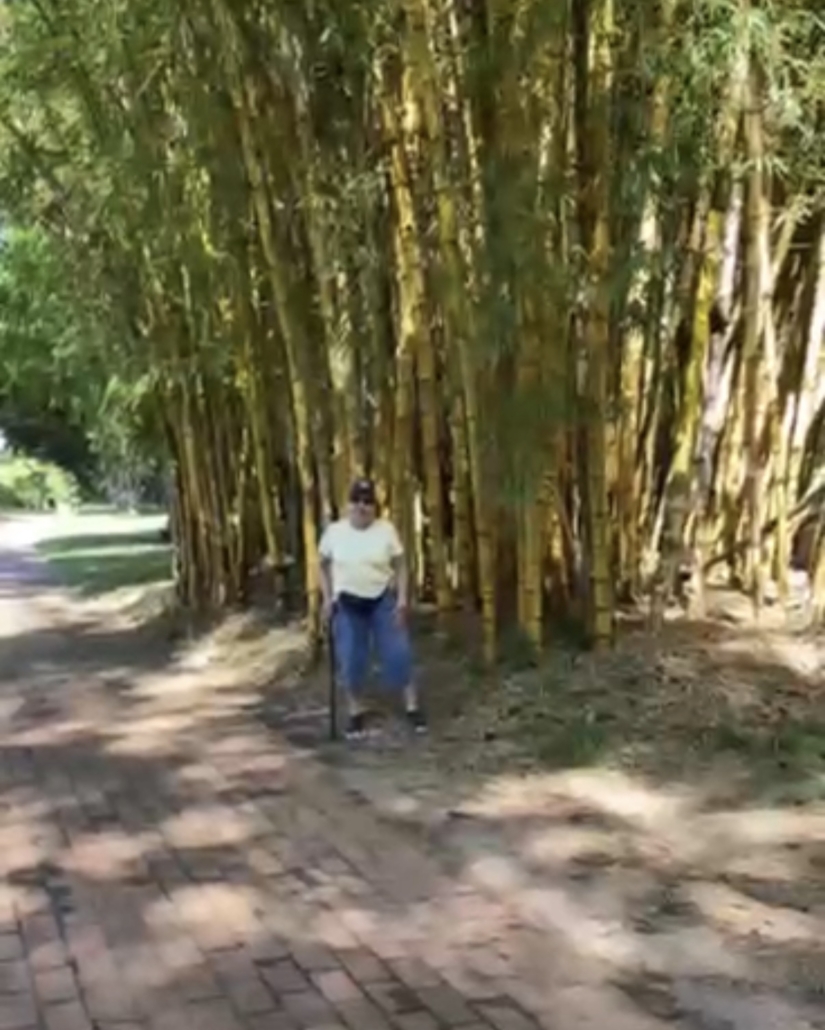
A Day in the Reserve
One of the highlights of this stretch came in Gqeberha.
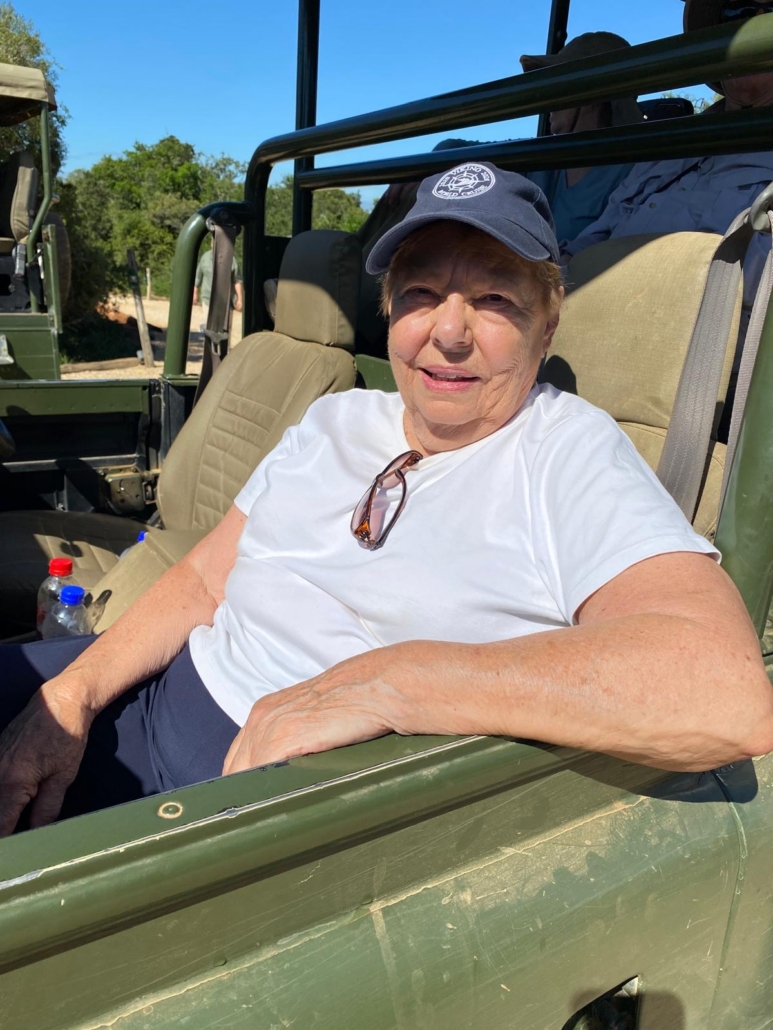
Here, Winnie visited a private game reserve, riding in a four-by-four vehicle across open land filled with wildflowers. Taking on the role of “spotter,” she quickly began identifying animals across the landscape—antelopes, elephants, zebras, warthogs, and rhinos.
The most memorable moment came with a group of lions resting under a tree—mothers with their cubs, alongside a large male nearby. For a brief moment, there was movement before the group settled again into the shade.
Cape Town and the Cape Winelands
From there, the ship continued to Cape Town, one of the most anticipated stops of the journey, with a magnificent view of Table Top Mountain.
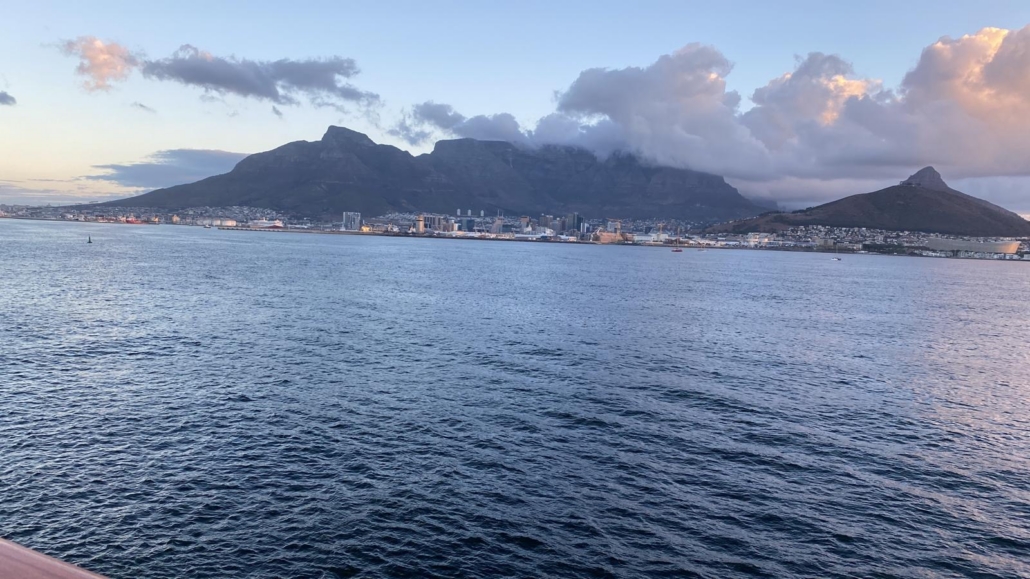
A city tour followed the coastline, where homes are built along the cliffs in a way that preserves views for each property. The setting felt expansive, with the ocean, hills, and architecture layered together.
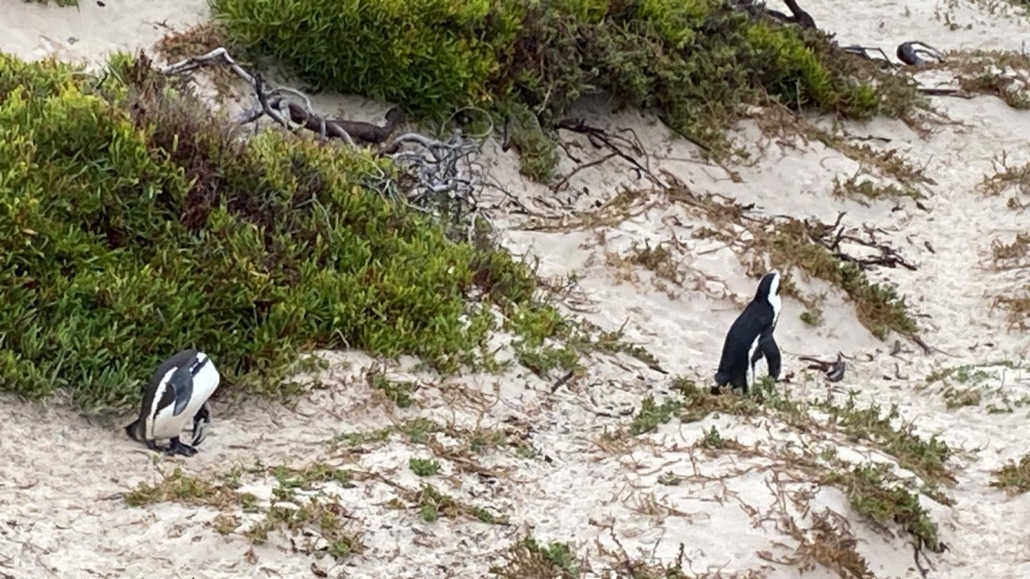
Winnie also made her way toward Boulders Beach, known for its colony of penguins, catching a glimpse along the way.
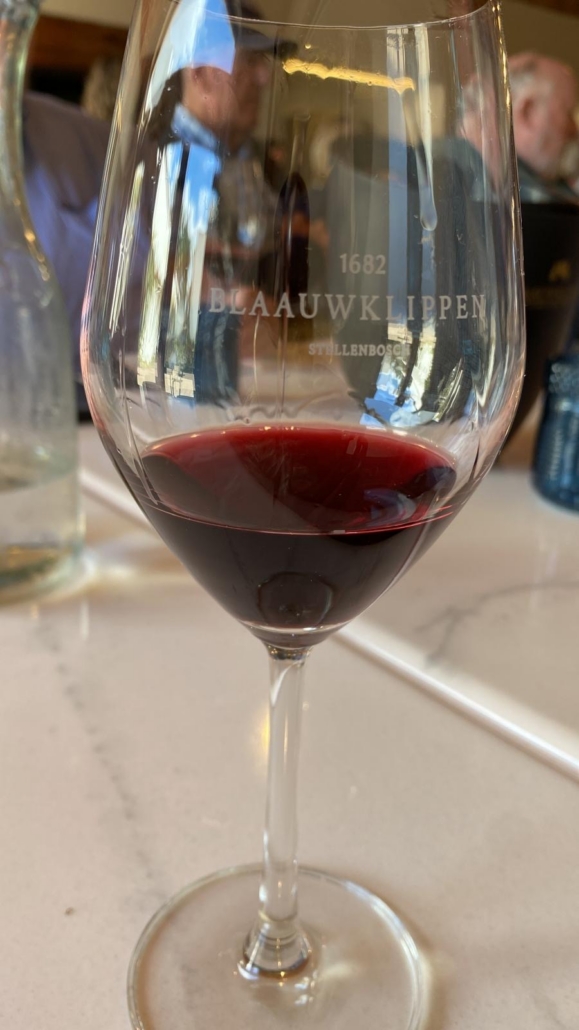
The following day, she traveled to Stellenbosch. The drive passed through vineyards into a town known for its university, restaurants, and wine culture. A stop at a winery included tastings and time to explore a nearby craft market.
On the return, the contrast was visible again—passing through townships where housing stretched for miles, tightly packed and built from simple materials.
Namibia: Desert Landscapes
After leaving South Africa, the journey continued into Namibia, where the landscape changed dramatically.
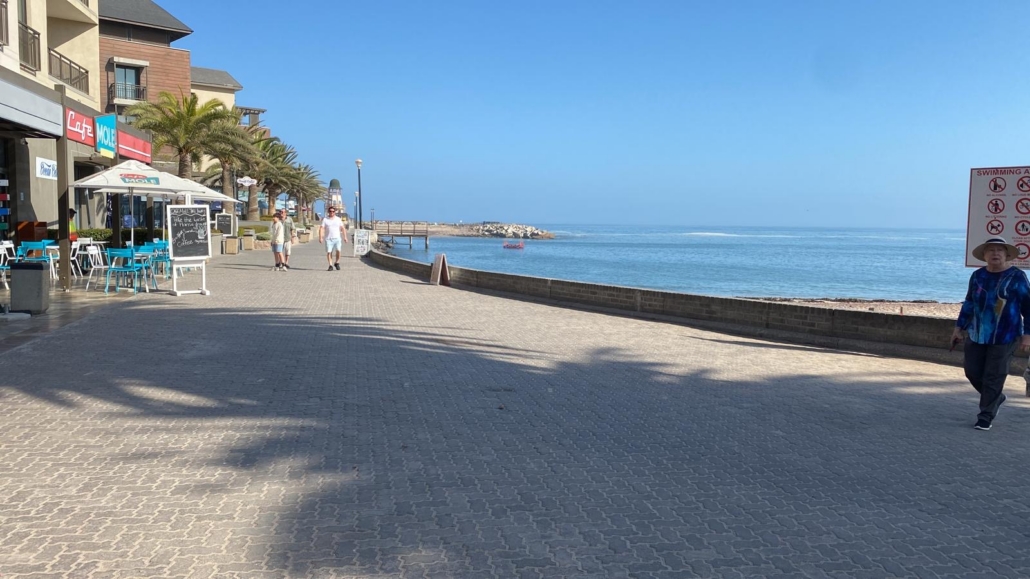
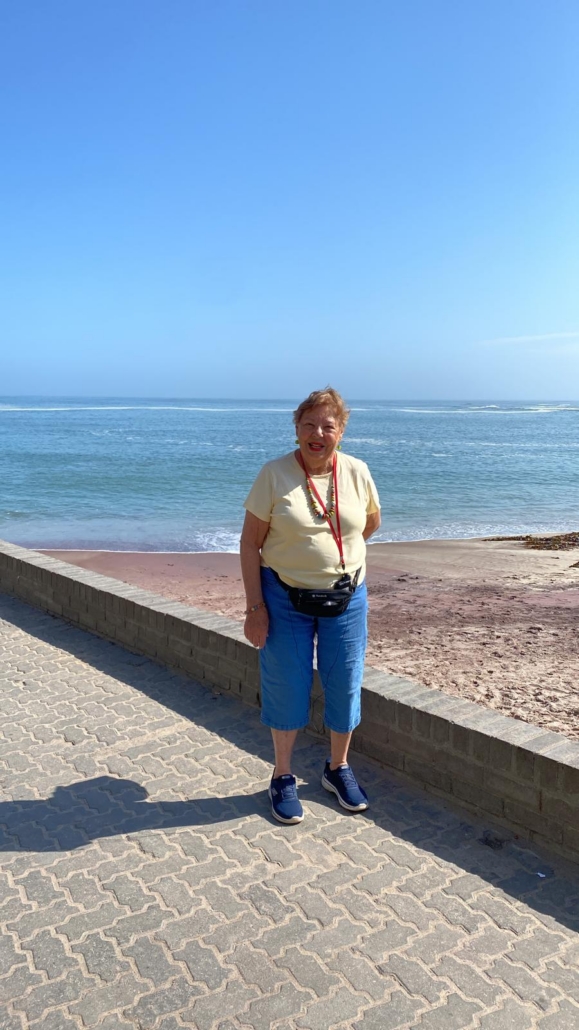
In Lüderitz and Walvis Bay, strong winds disrupted plans, delaying arrivals and altering excursions.
The desert itself left one of the strongest impressions on Winnie. Driving for miles and miles, seeing nothing but sand and dunes felt entirely unlike anywhere Winnie had been before—vast, quiet, and striking in its simplicity.
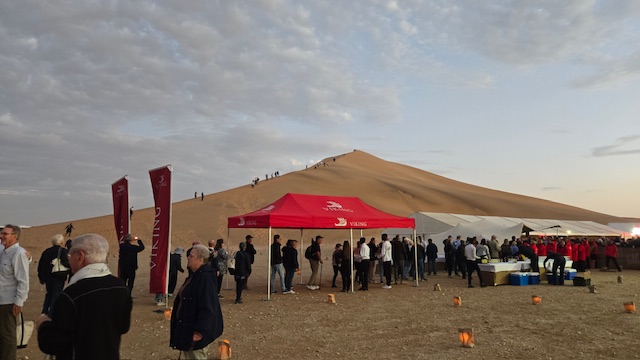
A planned boat excursion was ultimately skipped in favor of an evening event in the desert. The setting—lanterns lighting the way across the sand and an open sky overhead—was memorable, even if the experience itself didn’t fully meet expectations.
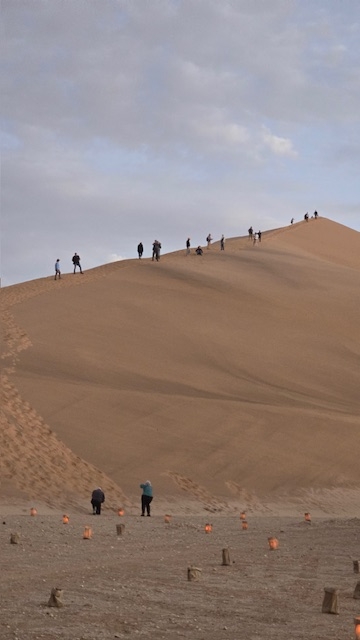
The following day offered another perspective. A local tour revealed towns carefully built within the desert environment. In nearby Swakopmund, the pace slowed, with low-rise buildings, clean streets, and a quieter atmosphere.
Along the way, there were small but memorable moments—flamingos gathered along the shoreline, camels appearing against the dunes, and long stretches of planted trees shaping the landscape.
Perspective Along the Way
As this part of the journey unfolded, what stayed with Winnie most wasn’t just the destinations, but the differences between them.
The scale of the landscapes—from dense cities to open desert—was striking. But even more so was the difference in how people live. The poverty she encountered along the way left a lasting impression and offered a perspective that’s difficult to ignore.
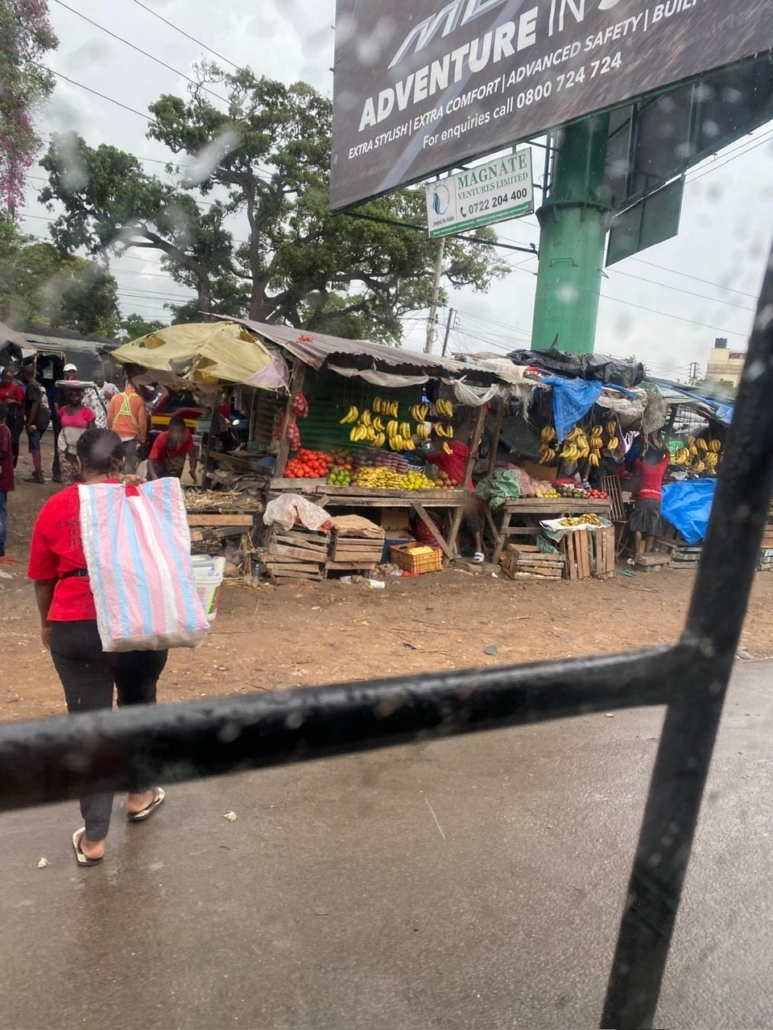
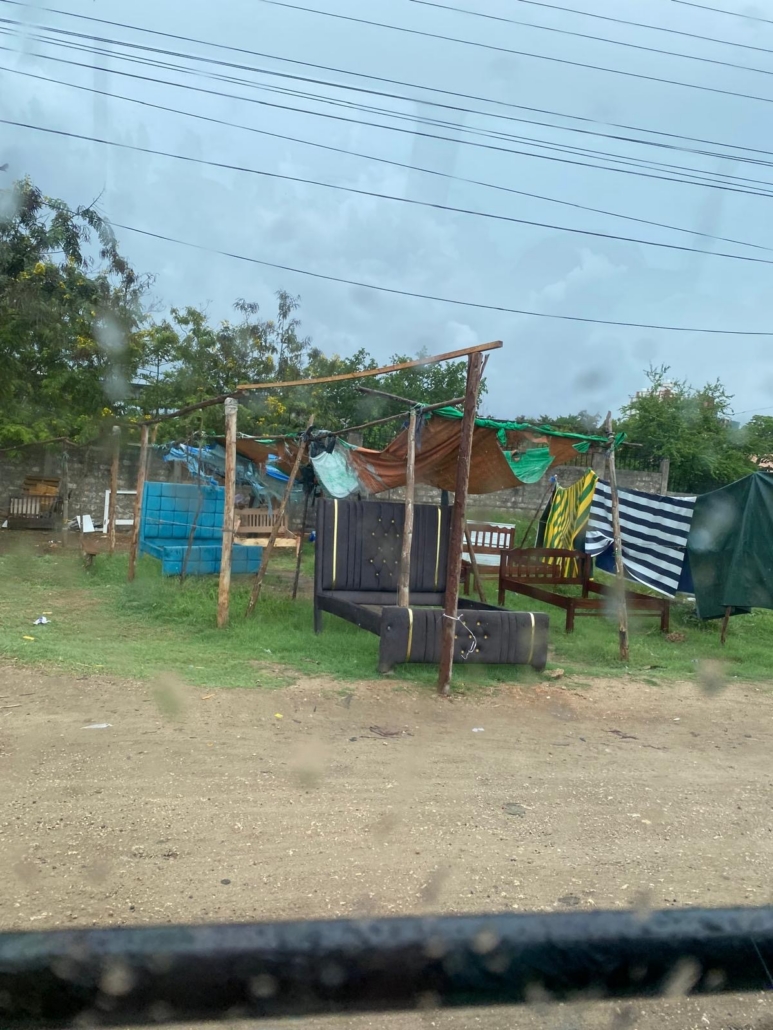
At the same time, there were moments of pride and care visible in every destination—historic buildings carefully maintained, monuments honored, and communities finding ways to support one another.
It’s a part of the world that brought a deeper appreciation for how we live here at home and a reminder not to take it for granted.
A Journey Still Unfolding
From Kenya to Namibia, this stretch of the journey moved quickly across regions, climates, and landscapes. Wildlife, cities, and open spaces followed one another in rapid succession, each offering a different view of the world along the way.
Up Next
As the journey continues north along the west coast of Africa, Winnie’s route brings her to Angola and onward to the islands of Cape Verde, before crossing further into the Atlantic toward the Canary Islands.
With more time at sea between stops, this next stretch offers a different rhythm—one shaped by long passages, changing waters, and a gradual transition toward a new part of the world.



Leave a Reply
Want to join the discussion?Feel free to contribute!